Excluded category drones in Australia: flying for business without a licence
If you want to make money from a drone in Australia, you might assume you need a full pilot’s licence and a company certificate. For a lot of small jobs, you do not. The Civil Aviation Safety Authority (CASA) has an “excluded category” for smaller drones, which lets people such as photographers, real estate agents and tradespeople fly commercially without a remote pilot licence or an operator’s certificate. You still have to do some things first.
This guide explains what the excluded category is, who it suits and what the steps are. We checked CASA’s pages on 29 November 2026. It is general information, not legal advice, and the rules can change.
What “excluded” means
In CASA’s language, “excluded” means the operation is excluded from needing a remote pilot licence (RePL) and a remotely piloted aircraft operator’s certificate (ReOC). It does not mean the rules do not apply. CASA’s weight categories page says drones are grouped by weight:
- Micro: 250 g or less
- Very small: more than 250 g, but not more than 2 kg
- Small: more than 2 kg, but not more than 25 kg
- Medium: more than 25 kg, but not more than 150 kg
The category determines which activities you can do and what qualifications you need.
Micro drones (250 g or less)
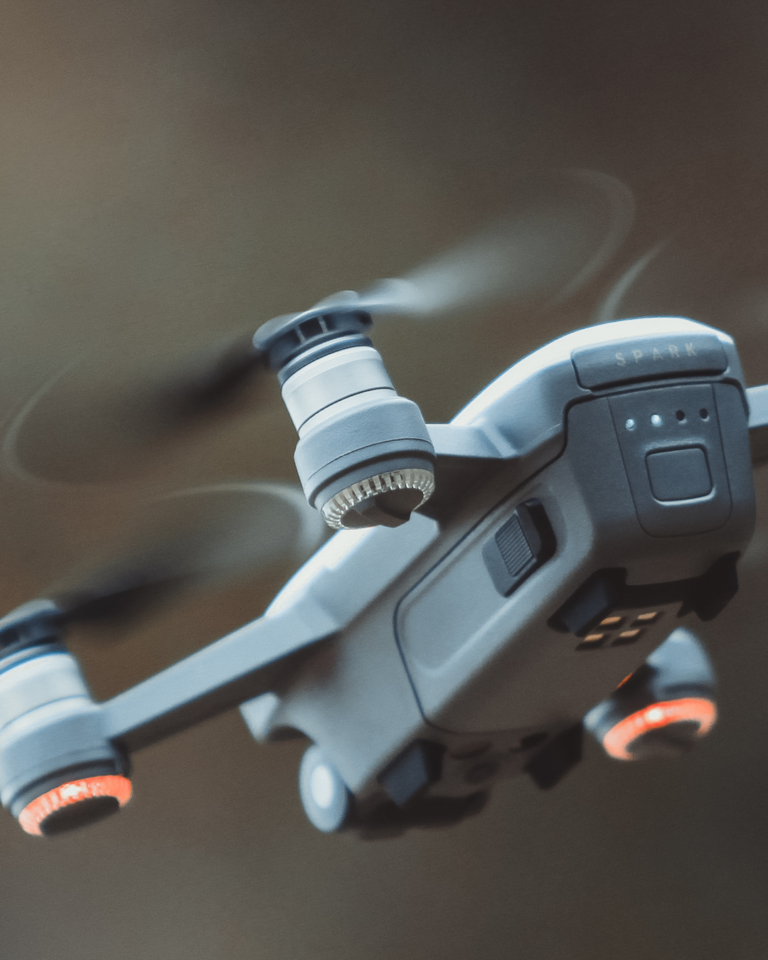
CASA says you can fly a micro drone for business or as part of your job without a RePL or ReOC. You must get an aviation reference number (ARN), get an operator accreditation, register your drone and only fly within the drone safety rules. Our guide to micro drone rules covers the practical side.
Very small drones, the sub-2 kg excluded category
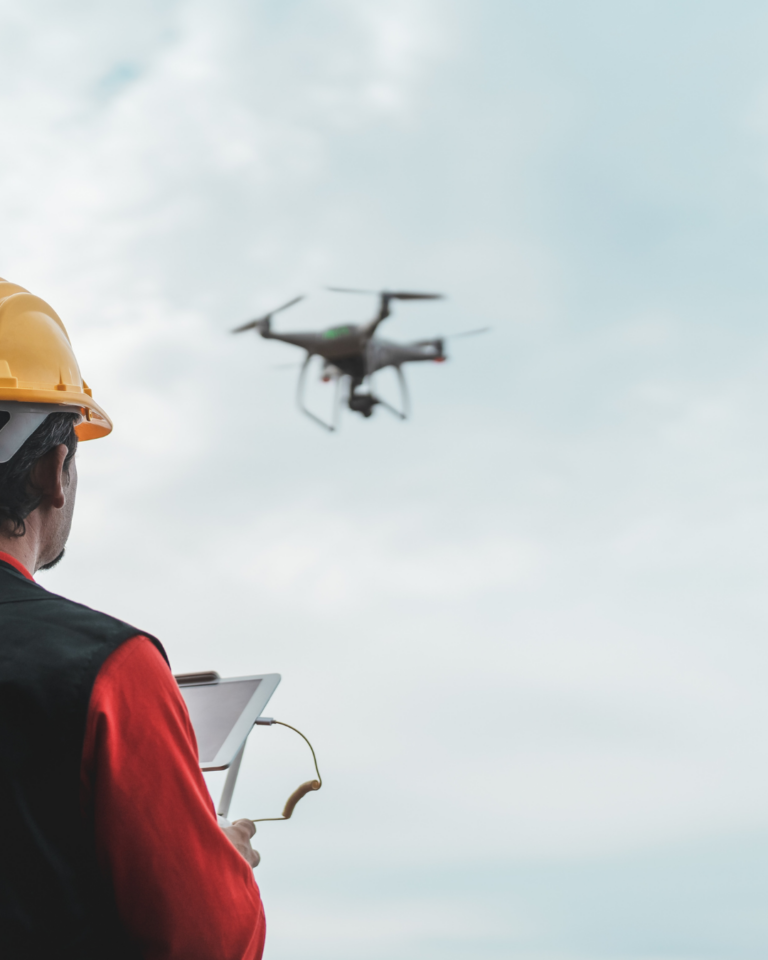
Most small business jobs fall here. CASA says you can fly a drone of 2 kg or less for business or as part of your job, and that this is called the sub-2 kg excluded category because you do not need a RePL or ReOC. CASA lists examples of businesses that may use it: photographers and film makers, real estate agents, researchers, construction workers and tradespeople, and government and community service providers.
The requirements are the same as for micro drones, but you must fly within the standard operating conditions. CASA publishes the Part 101 plain English guide for micro and excluded RPA operations, which explains those conditions. Read it before your first paid job.
Small and medium drones, the landowner category
CASA also describes an excluded category for heavier drones, but it is narrow. A drone of more than 2 kg but not more than 25 kg can be flown for business over your own land, as long as you do not accept any type of payment for the services. CASA gives examples such as crop and livestock inspections, land surveying and agricultural operations. For drones over 25 kg and up to 150 kg over your own land, you also need a RePL for the type and model of drone.
If you want to be paid to fly a drone heavier than 2 kg, or to fly a drone of any size in ways the standard operating conditions do not allow, you are outside the excluded category. That is when a ReOC, a RePL or a CASA approval may come into play. See Do I need a drone licence in Australia? RePL, ReOC and accreditation explained.
Steps to operate in the excluded category
- Choose a drone in the right weight class. Check the manufacturer’s published weight for your exact model and configuration. If it is close to a limit, confirm before you buy.
- Get an ARN. You apply through myCASA with a Digital Identity or account, and personal details. Businesses may also want an organisation ARN.
- Get operator accreditation. CASA says this is free, completed online, valid for three years, and needs a score of 85% or higher on the quiz. You must be 16 or older, or be supervised by an accredited adult over 18 if you are under 16.
- Register the drone. See our guide to drone registration in Australia. CASA says drones used for business must be registered no matter their weight. Registration is free for drones of 500 g or less, and CASA lists a $40 levy per drone above that, valid for 12 months.
- Follow the standard operating conditions in CASA’s plain English guide for every job.
Things the excluded category does not give you
It does not remove the general rules. Airspace restrictions, emergency operations, privacy, land manager permission and state laws all still apply. For example, a photographer working in a national park needs the park’s permission as well, as discussed in Can you fly a drone in a national park in Australia? State-by-state rules.
It also does not cover every type of operation. CASA says night operations for business need a ReOC, a RePL, or an employed licensed remote pilot, together with risk assessments and documented procedures. Flying over people, beyond visual line of sight or in some controlled airspace may require authorisations. Check CASA’s flight authorisation pages if a job requires any of these.
Insurance and clients
Insurance is a separate question from CASA’s registration and accreditation rules, but many clients, councils and land managers ask for it. For example, Parks Victoria’s filming permit process asks for a certificate of currency and requires licensed pilots and CASA-certified operators. If you are starting a drone photography business, ask your insurer about drone cover before you advertise.
Hiring someone
CASA also has guidance on hiring a drone operator. If you are the client, it is a good idea to ask for their accreditation or licence, registration details and insurance before you book.
Choosing equipment for paid work
For a first paid job, many operators choose a compact drone with a good camera. Our guide to the best camera drones for photography and video compares the main options, and our accessories guide covers spare batteries, filters and cases. Whatever you choose, check the weight class first, because it decides which rules apply.