Do I need a drone licence in Australia? RePL, ReOC and accreditation explained
“Do I need a licence to fly a drone?” is the question Australians type into search engines more than any other about drones. The honest answer is: it depends on why you are flying, and how heavy the drone is. For most hobby pilots, the answer is no. For anyone using a drone to earn money, the answer is almost always “you need something”, and that something is often a free online accreditation rather than a full licence.
This guide explains the four possible situations, using the current guidance on the CASA website, which we checked on 29 November 2026. It is general information, not legal advice, and CASA is the final word. If your situation is not clear, contact CASA before you fly for money.
Situation 1: you fly for fun
CASA says that if you fly for fun you do not need to register your drone, hold a licence or hold an operator accreditation. That applies even to micro drones under 250 g, and there is no age limit for recreational flying. You do have to follow the drone safety rules, which we cover in our guide to the CASA drone rules.
CASA also says that flying for education, training or research at a recognised institution counts as flying for fun, with some limits. If your drone weighs more than 25 kg, even a recreational flight needs approval.
Situation 2: you fly for business, with a drone under 2 kg or a micro drone
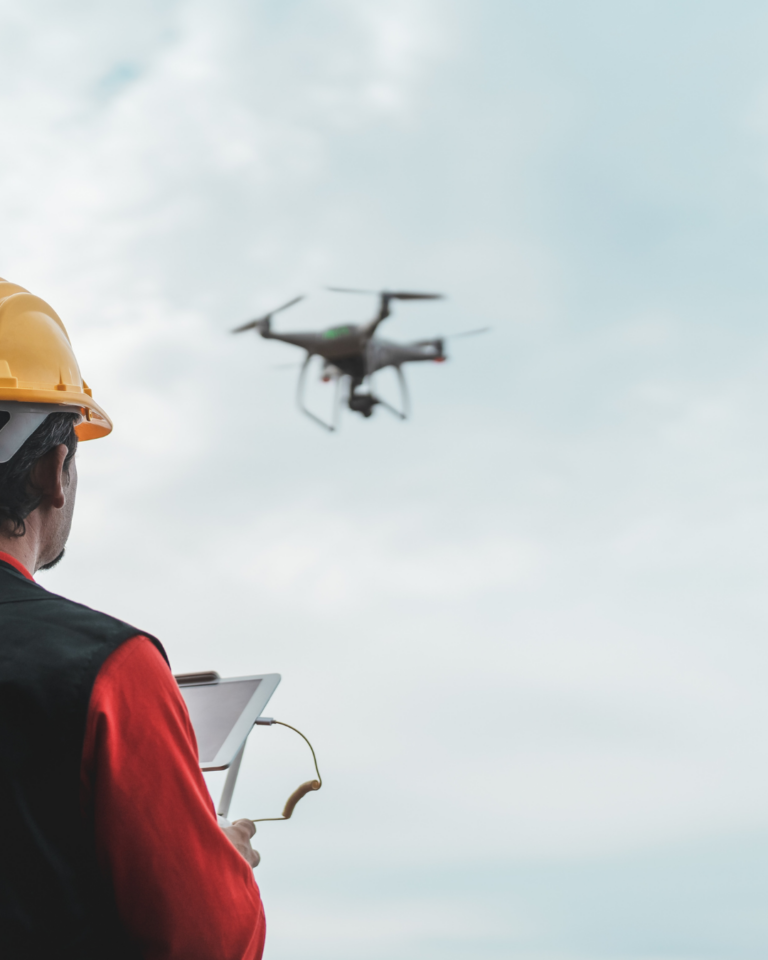
If you use a drone for paid work or as part of your job, you are no longer in the recreational category. CASA’s operator accreditation page says this includes selling photos or videos taken from a drone, inspecting industrial equipment, construction sites or infrastructure, monitoring, surveillance or security services, research and development, and any drone activities for your employer.
For these uses with a drone up to 2 kg (including a micro drone of 250 g or less), CASA calls it the excluded category or, for the smallest drones, the micro category. You do not need a remote pilot licence (RePL) or a remotely piloted aircraft operator’s certificate (ReOC). You do need to:
- get an aviation reference number (ARN) through myCASA
- get an operator accreditation
- register the drone
- follow the standard operating conditions
According to CASA, the accreditation is free, completed online and valid for 3 years. You must be at least 16 (or be supervised by an accredited adult over 18 if you are under 16), and you pass an online quiz with a score of at least 85%. We explain this path in more detail in Excluded category drones in Australia: flying for business without a licence.
Examples CASA gives for the sub-2 kg excluded category include photographers and film makers, real estate agents, researchers, construction workers and tradespeople.
Situation 3: you want a RePL
A remote pilot licence is a more serious qualification. CASA’s RePL page says you only need one if you want to be a remote pilot for an individual or business that holds a ReOC, or fly a drone of more than 25 kg (but less than 150 kg) over your own land.
To get one, you apply for an ARN, find a certified RePL training provider, and pass both the theory component and a practical flying test for the type and category of drone you intend to fly. CASA says a RePL does not expire, and there is no minimum age to get one. If you hold a RePL, you do not also need an operator accreditation.
Situation 4: you want to run a drone business under a ReOC
A ReOC is a certificate for an organisation, not an individual. CASA’s ReOC page says it allows you or your business to operate as a drone service provider for hire or reward, employ remote pilots, and apply for permissions and approvals for complex operations outside the standard drone safety rules.
You do not need a ReOC if you only operate micro or excluded category drones, or if you are flying for fun. If you do fly under one, the remote pilot needs a RePL, and the business must develop operational procedures and manuals, train its pilots, keep records, and register its drones before flying.
Quick reference
Here is how the four situations compare, based on CASA’s published guidance:
- Recreational flying, any size under 25 kg: no registration, no licence, no accreditation. Follow the drone safety rules.
- Business use, 250 g or less: ARN, operator accreditation, registration.
- Business use, over 250 g up to 2 kg: ARN, operator accreditation, registration, standard operating conditions.
- Business use over 2 kg, or complex operations: usually a RePL and a ReOC, or a landowner exclusion in limited cases that CASA describes on its weight categories page.
What counts as “business”?
This is the grey area that catches people out. CASA lists selling aerial photos or videos, inspection work and security services as obvious examples. What about a hobby pilot who posts footage online and earns advertising revenue, or who photographs a friend’s wedding for a small fee? The CASA pages we read do not give a one-line answer for every case, and we are not in a position to give legal advice. If you are being paid, or the flight forms part of your job, assume the business rules apply and check with CASA first.
Where to start if you are unsure
Start with the question “am I being paid, or is this part of my job?”. If the answer is no, read the CASA drone rules, choose a drone that suits you (our guide to the best beginner drones in Australia is a good starting point) and fly safely. If the answer is yes, work out your drone’s weight class, then follow the steps in Drone registration in Australia: who needs it, what it costs and how it works and Excluded category drones in Australia: flying for business without a licence.
Penalties for getting it wrong
CASA’s registration requirements page says that flying an unregistered drone for business or your job could attract a fine of up to $18,200. It also notes you may need to show your certificate of registration to an authorised CASA representative or police. CASA can also restrict or cancel an accreditation, licence or registration after a breach.