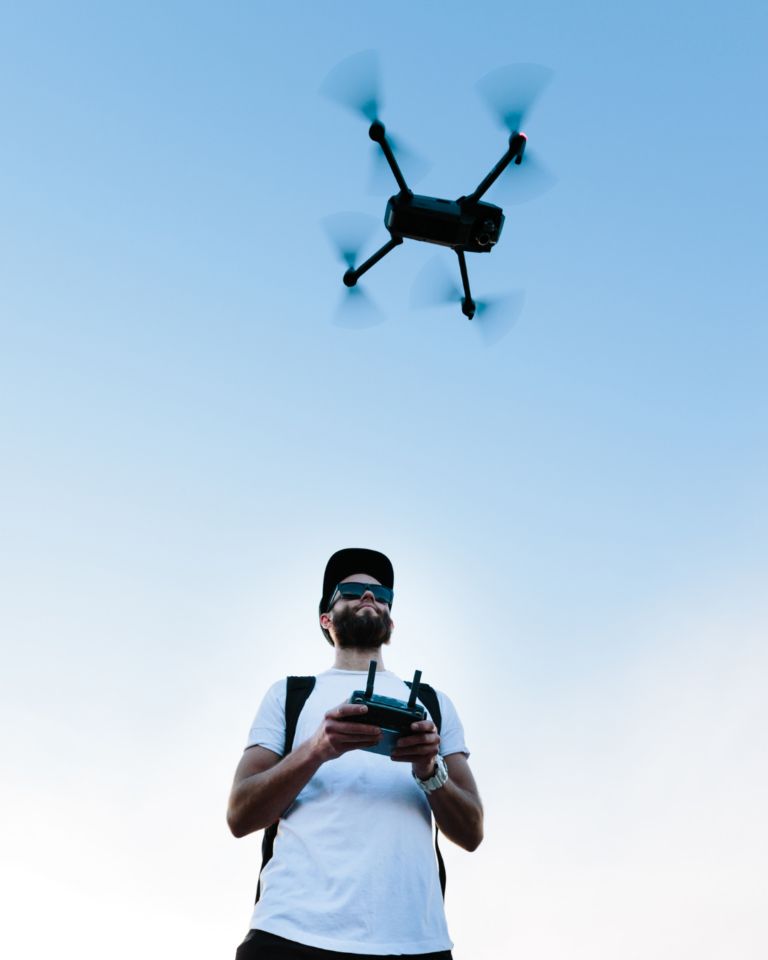
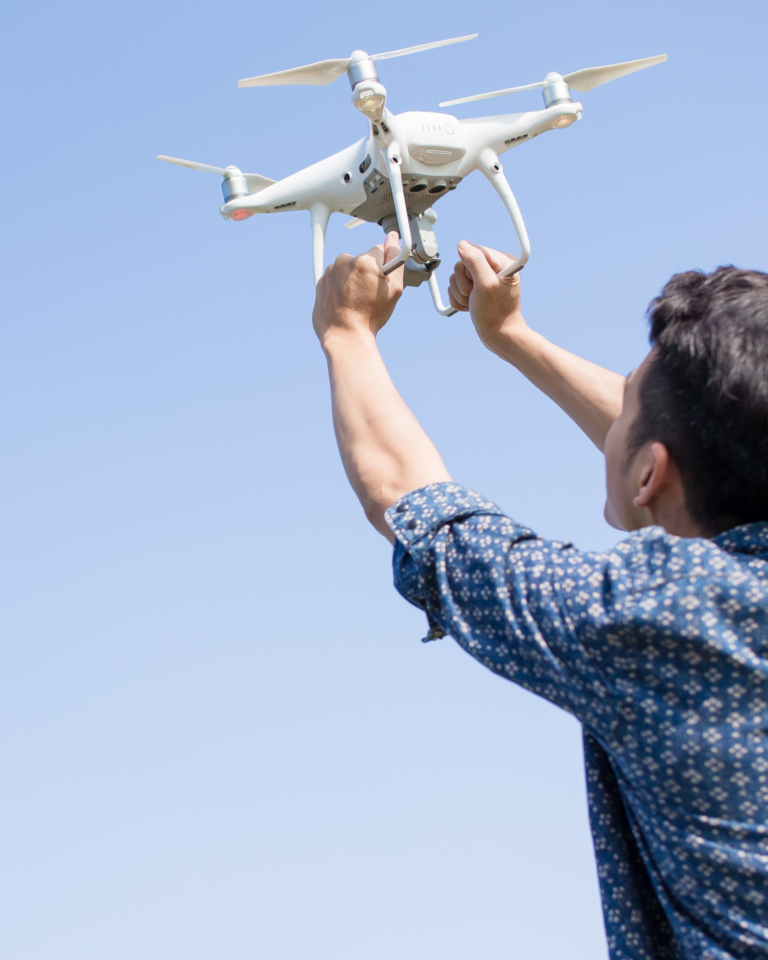
Best travel drones in Australia: light, packable and rule-friendly
This page may contain affiliate links. See our affiliate disclosure.
A travel drone has one job above all others: it has to be small enough that you actually bring it. A big drone that stays at home takes no photos. For road trips around Australia, hiking, camping and holidays, the best travel drone is usually light, folds small, has a decent camera and comes with enough batteries for a day out.
Travel adds rule questions, too. Batteries have to go through airports, and the places you want to fly, such as national parks and beaches, are often restricted. This guide explains what to look for and how to plan. We have not hands-on tested the drones named, we do not state prices and we avoid copying specifications that may be out of date. Check the manufacturer’s page and the current price. Model names reflect what was on sale in late 2026.
What makes a good travel drone
Light and folded size
Weight and size decide whether it fits your bag. Many travellers look at drones of 250 g or less, which are easier to carry and have simpler airport rules. Our guide to micro drone rules explains the difference.
A camera you will be happy with
A travel drone gets used in places you may not return to, so image quality matters. A stabilised camera with good low-light performance helps for sunrise and sunset shots.
Battery life and spares
You will not be near a power point at a lookout. A bundle with multiple batteries is usually a better choice for travel than a single battery. See Drone batteries: care, charging safety and flying with them in Australia for how to carry them.
Wind handling
Coastal and outback conditions can be windy. Lighter drones can be affected, so check the manufacturer’s advice and be ready to land if the wind picks up.
Easy setup
Quick launch and a simple app help when you are on a clifftop and the light is changing.
Models to compare
Check the current weight, bundle and price of each, and whether it is still sold.
- DJI Mini 5 Pro. The top of DJI’s Mini family at the time of writing, aimed at travellers who want strong image quality in a small package.
- DJI Mini 4 Pro and Mini 3. Older Minis that may still be available and can be good value.
- DJI Flip. A foldable drone with propeller guards, handy for casual travel video.
- DJI Neo 2. A palm-sized option for simple clips, small enough to carry anywhere.
- DJI Air 3S. A bigger and heavier drone for travellers who prioritise image options over packing size.
- Potensic and HoverAir X1. Other brands with compact drones, worth reading about if you want to compare.
For a deeper comparison of the DJI families, see DJI Mini vs Air vs Mavic: which should Australians buy?.
Travelling with batteries
CASA’s travel page says drones use lithium-ion polymer batteries, which you must carry with you in your hand luggage. It points to the Pack Right. Safe Flight. website, and says that depending on the type and wattage of the battery you may need approval from your airline before flying. Check with your airline before you travel, and carry batteries in protective cases or bags so terminals cannot short-circuit.
When you drive, do not leave batteries in a hot car. Heat is bad for them and a risk if a battery is damaged.
Know the rules before you go
CASA rules apply everywhere
The same recreational rules apply across Australia: no higher than 120 metres, 30 metres from people, daylight only, visual line of sight and not in populous areas. See CASA drone rules in Australia: what every pilot needs to know. CASA also points out that many popular tourist sites are in areas where drone safety rules and other laws mean you cannot fly. Sydney Harbour and the surrounding areas are a no-drone zone.
National parks and reserves
Many of the most scenic places are national parks, and state rules differ a great deal. Some states prohibit recreational drones in parks, others require approval and some allow flying with conditions. Read Can you fly a drone in a national park in Australia? State-by-state rules before you plan a trip around drone shots.
Airports
Holiday destinations often have small airports and helicopter landing sites. Check an app each time and read Flying a drone near airports in Australia: distances, heights and what to check.
Wildlife and water
Beaches and headlands may have whales, dolphins, seals and nesting birds. State rules on distance differ, and CASA gives examples of 100 metres in New South Wales and 300 metres in South Australia for marine mammals. Keep well clear.
Drones overseas
CASA advises checking the Smartraveller website for drone information in any country you visit, because you may need to learn new rules, get a licence or register your drone. Some countries ban drones. CASA also says to check that your travel insurance covers your drone for accidents and damage abroad.
A packing checklist
- Drone, controller and charging cables.
- Spare batteries in protective cases, in hand luggage.
- Spare propellers and a small screwdriver if your drone uses one.
- Memory cards, with spares.
- A hard or padded case.
- A lens cloth and a small landing pad.
- A printed or saved copy of local drone rules.
- A phone with the drone app and a CASA-verified safety app installed and updated before you leave.
See Best drone accessories in Australia: what is worth buying first for what is worth buying.
Planning shots
Plan to fly at sunrise or sunset, when the light is softer and fewer people are around. That helps with the 30-metre rule too. Scout the spot in advance, check wind and airspace, and keep flights short. Our photography tips cover composition and settings.
Insurance and responsibility
Check whether your home and contents or travel insurance covers the drone, and whether it covers damage you cause to others. You are responsible for any damage or injury your drone causes, so take the rules seriously.
The best travel drone for you
A simple way to choose: decide how much weight and space you can spare, decide how much camera quality you need and pick the smallest drone that meets both. If you are not sure, start with Best beginner drones in Australia: what to buy for your first flight or the wider Best drones in Australia: how to choose the right camera drone guide.